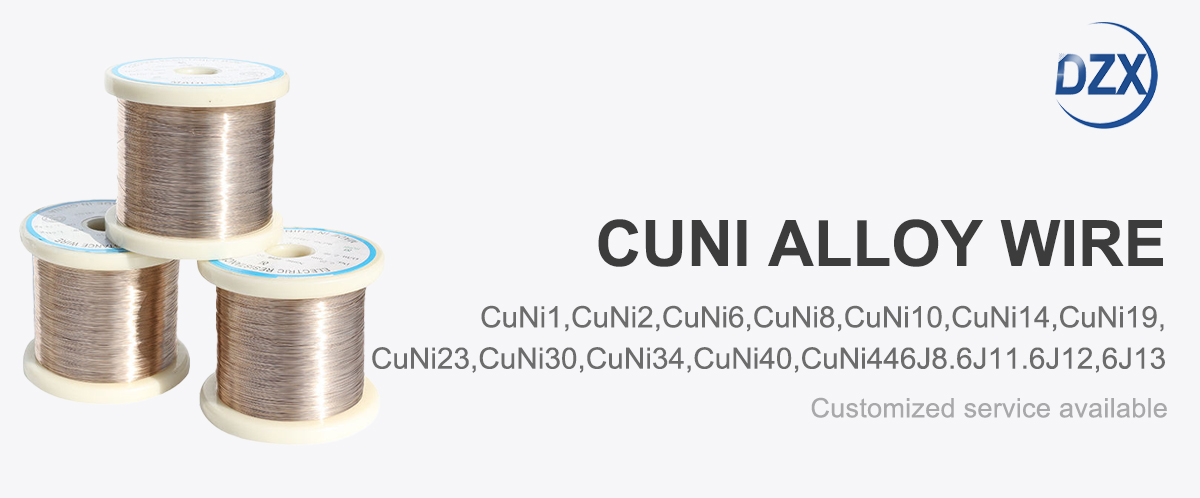
Copper Nickel (CuNi) wire is a precision resistance alloy made primarily of copper and nickel, with optional elements like manganese or iron to fine-tune resistance and temperature coefficient. Common grades include CuNi 90/10 (C70600), CuNi 70/30 (C71500), CuNi 44 (Constantan), and CuNi 30 (MN30). These materials are valued for their stable electrical resistivity, excellent corrosion resistance, and ability to maintain performance under fluctuating temperatures.
Properties Material | Resistivity 200c μΩ.m | Max working temperature (℃) | Tensile strength (Mpa) | Melting point (℃) | Density (g/cm3) | TCR *10-6/℃ (20-600℃) | EMF vs Cu (μV/℃) (0-100℃) |
CuNi1 | 0.03 | 200 | 210 | 1085 | 8.9 | <100 | -8 |
CuNi2 | 0.05 | 200 | 220 | 1090 | 8.9 | <120 | -12 |
CuNi6 | 0.1 | 220 | 250 | 1095 | 8.9 | <60 | -18 |
CuNi8 | 0.12 | 250 | 270 | 1097 | 8.9 | <57 | -22 |
CuNi10 | 0.15 | 250 | 290 | 1100 | 8.9 | <50 | -25 |
CuNi14 | 0.2 | 300 | 310 | 1115 | 8.9 | <30 | -28 |
CuNi19 | 0.25 | 300 | 340 | 1135 | 8.9 | <25 | -32 |
CuNi23 | 0.3 | 300 | 350 | 1150 | 8.9 | <16 | -34 |
CuNi30 | 0.35 | 350 | 400 | 1170 | 8.9 | <10 | -37 |
CuNi34 | 0.4 | 350 | 400 | 1180 | 8.9 | 0 | -39 |
CuNi44 | 0.5 | 400 | 420 | 1200 | 8.9 | <-6 | -43 |
The demand for Copper Nickel resistance wire is rising in industries like electronics, renewable energy, and smart manufacturing. As automation and high-precision instruments become more widespread, engineers require stable resistance materials that minimize thermal drift and corrosion. CuNi alloys deliver consistent performance across a broad temperature range, making them ideal for long-term, low-maintenance electrical systems. The trend toward miniaturization and precision measurement has also increased the use of CuNi in fine wire diameters and multi-strand conductor applications.
Comparison Table
| Property | CuNi 44 (Constantan) | CuNi 70/30 | CuNi 90/10 |
|---|
| Composition (Cu/Ni) | 56% Cu, 44% Ni | 70% Cu, 30% Ni | 90% Cu, 10% Ni |
| Density (g/cm³) | 8.9 | 8.9 | 8.9 |
| Resistivity (Ω·mm²/m) | 0.49 | 0.30 | 0.23 |
| Melting Point (°C) | 1280 | 1190 | 1170 |
| Temperature Coefficient (ppm/°C) | ±40 | +100 | +150 |
| Corrosion Resistance | Excellent | Excellent | Excellent |
| Max Operating Temperature (°C) | 400 | 350 | 300 |
| Applications | Resistors, sensors | Heating, control wire | Marine and electrical wiring |
At DZX, we manufacture Copper Nickel Wire that meets the demanding performance and precision requirements of today’s electrical and electronic industries. Our CuNi wires are engineered for stability, durability, and corrosion resistance, serving as reliable conductors in environments where temperature and humidity variations can easily compromise performance.
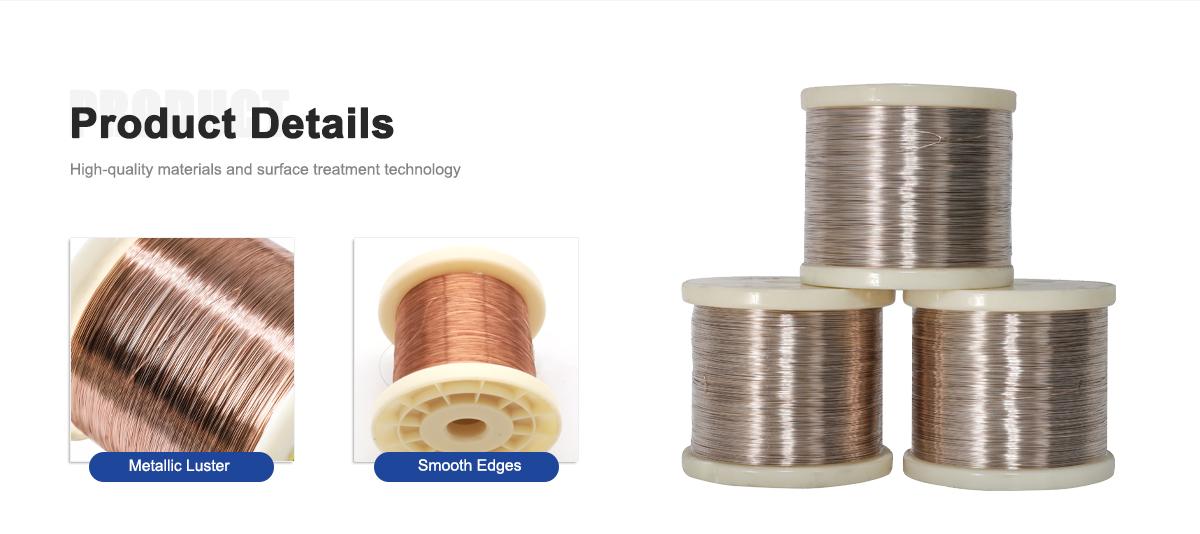
Unlike traditional copper wires that can oxidize or shift resistance under load, DZX’s CuNi resistance wire maintains consistent electrical properties over time. Our advanced drawing and annealing processes ensure fine, uniform wire diameters with smooth surfaces, minimizing connection resistance and maximizing thermal stability.
We primarily produce CuNi 44 (Constantan), CuNi 70/30, and CuNi 90/10 wire grades. Each type caters to specific needs:
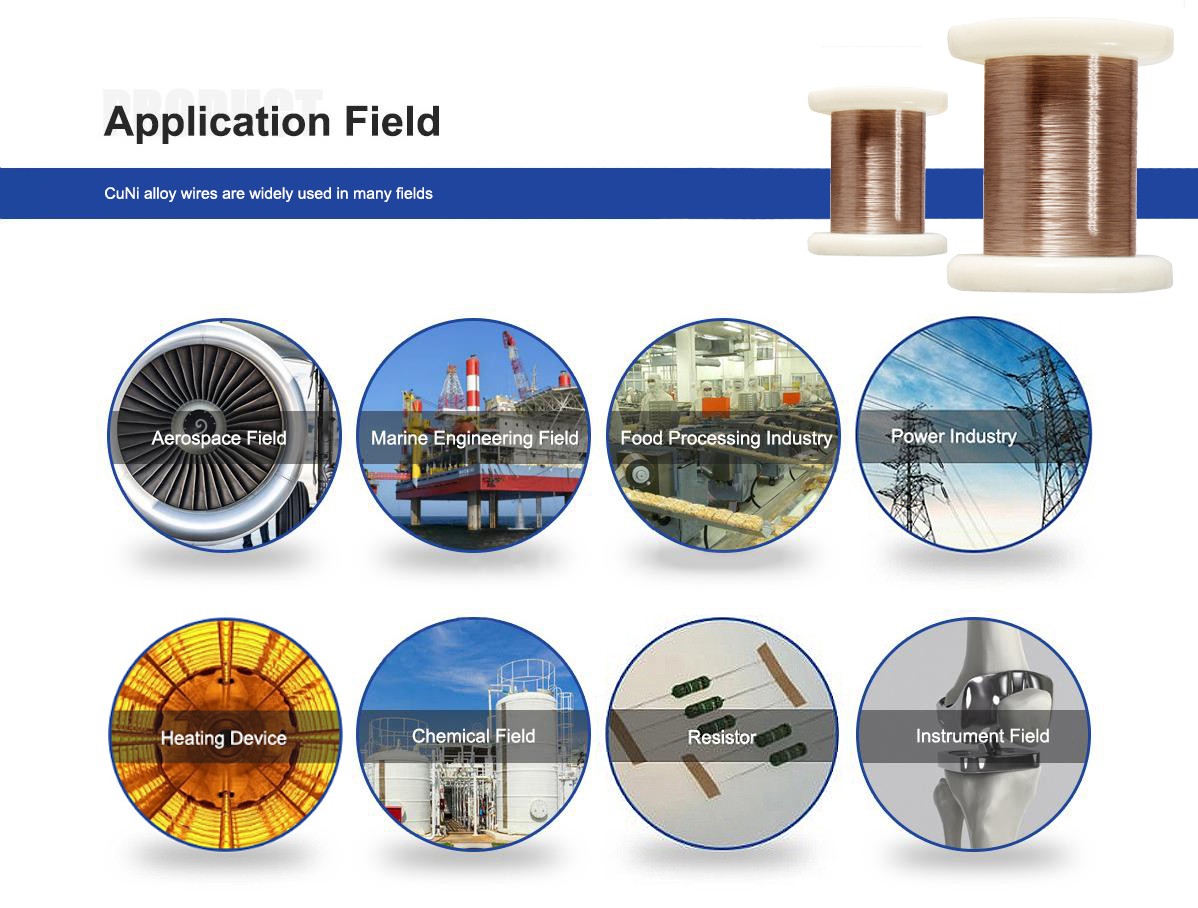
CuNi 44 is ideal for precision resistors, strain gauges, and thermocouples, thanks to its extremely low temperature coefficient.
CuNi 70/30 is well-suited for heating wires, control systems, and instrumentation circuits.
CuNi 90/10, with superior corrosion resistance, performs excellently in marine electrical and sensor wiring.
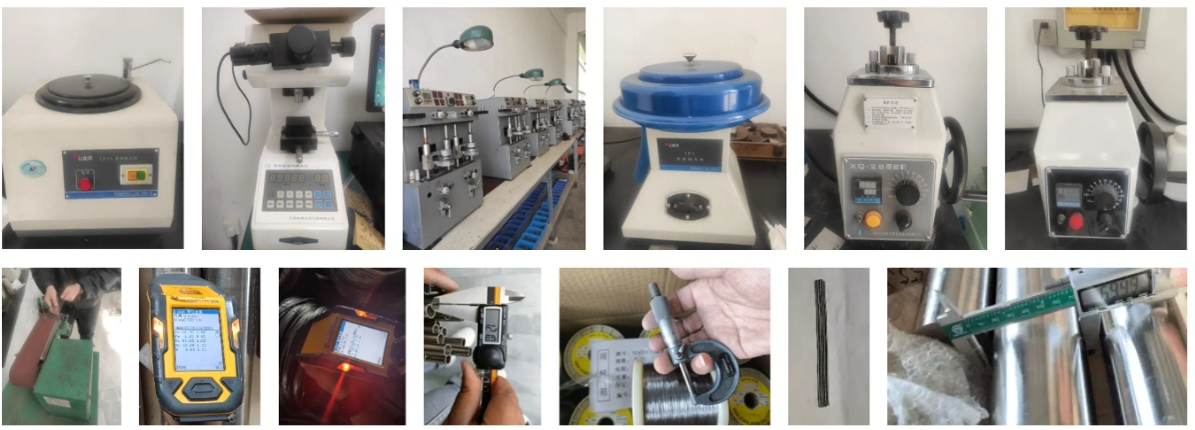
In electrical manufacturing, consistency is everything. DZX’s CuNi wires are produced using tight tolerance control systems that guarantee dimensional accuracy and stable resistivity from batch to batch. Each coil undergoes electrical resistivity testing, tensile testing, and surface inspection before shipment, ensuring you receive a product ready for direct use in production.
Industry Adoption and Market Outlook
As industries transition toward automation, digital instrumentation, and smart monitoring systems, Copper Nickel wire is gaining attention for its combination of electrical stability and corrosion resistance. CuNi’s reliability across different environmental conditions makes it ideal for sensors, EV systems, and renewable energy devices where precise data and durability are essential.
The global trend toward sustainable materials also supports CuNi’s growth. Since the alloy is recyclable and has a long service life, it helps manufacturers meet green compliance standards while reducing maintenance costs.
DZX’s Manufacturing Advantage
What sets DZX apart is our integrated alloy production process—from melting and rolling to wire drawing and final inspection, all under one facility. This vertical integration ensures full traceability and quality assurance, reducing lead times and improving consistency.
Our engineers work closely with clients to tailor resistivity and mechanical properties for their specific designs. Whether for fine-gauge thermocouple wire or heavy-duty control wire, DZX offers precise customization for spool size, coating type, and packaging.
We also provide technical support for resistance calibration, assisting customers in achieving the exact performance needed for their applications. Combined with our responsive logistics network, DZX ensures that global customers receive products quickly and reliably.
In a world that demands high-accuracy electronics, DZX’s Copper Nickel Wire stands out as a material of balance—combining stability, durability, and adaptability. It’s a trusted choice for manufacturers who cannot compromise on electrical precision or corrosion protection.
At DZX, our goal is simple: deliver high-performance CuNi resistance wire that empowers your systems to run longer, cleaner, and more efficiently—no matter the environment.

About Us:
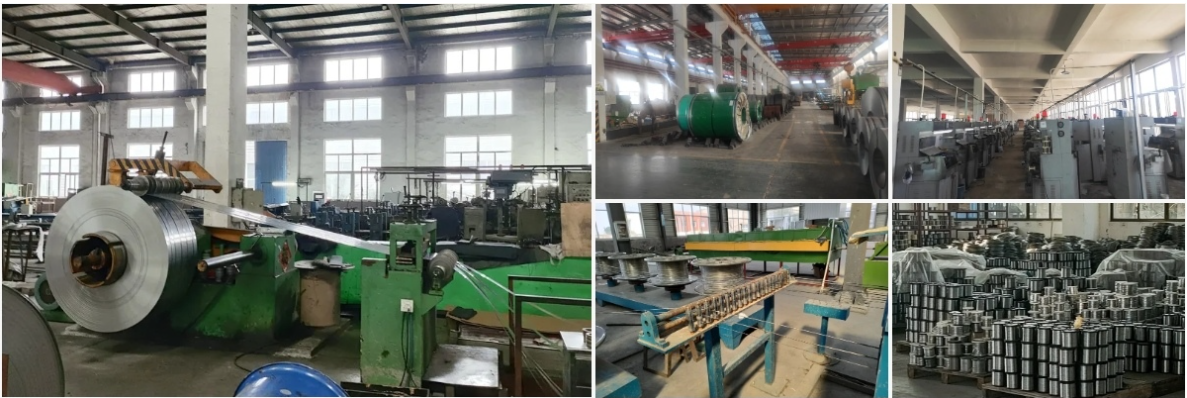
Our 12,000㎡ factory is equipped with complete capabilities for research, production, testing, and packaging. We strictly adhere to ISO 9001 standards in our production processes, with an annual output of 1,200 tons. This ensures that we meet both quantity and quality demands. Furthermore, all products undergo rigorous simulated environment testing including high temperature, high pressure, and corrosion tests before being dispatched, ensuring they meet customer specifications. For all our clients, we offer timely and multilingual after-sales support and technical consulting, helping you resolve any issues swiftly and efficiently.
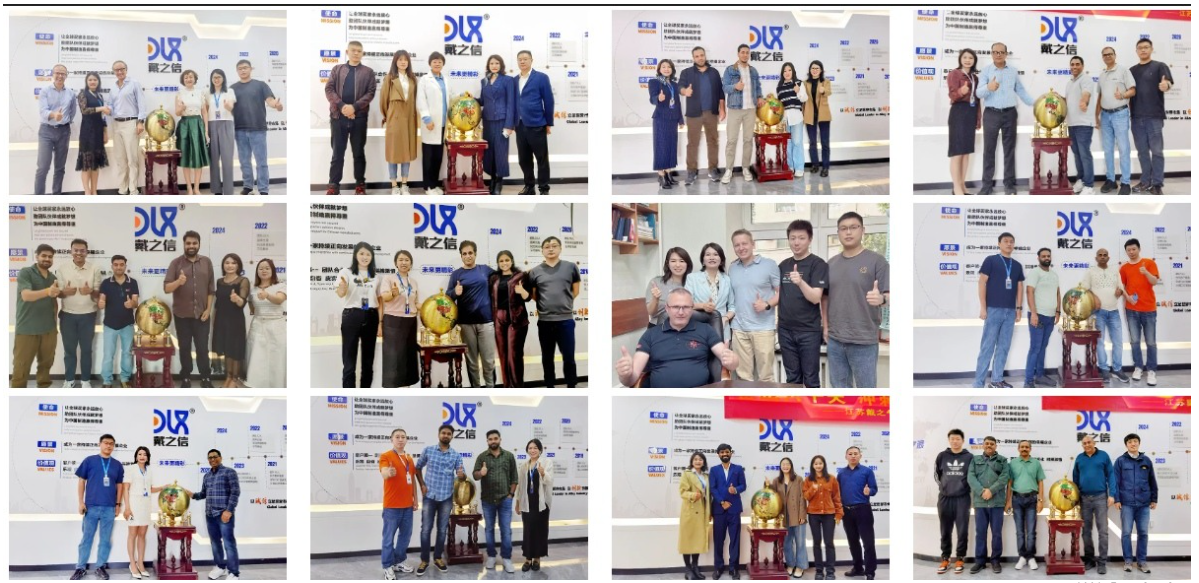
Client Visits
Building Stronger Partnerships
We support all kinds of testing:

Q1: What are the main Copper Nickel wire grades used in electrical applications?
A1: The most common grades are CuNi 44 (Constantan), CuNi 90/10, CuNi 70/30, and CuNi 30, each chosen for specific resistivity and strength requirements.
Q2: Why is CuNi 44 (Constantan) popular for precision resistors?
A2: CuNi 44 has a low temperature coefficient of resistance (TCR), ensuring stable electrical output even when temperatures fluctuate.
Q3: Can Copper Nickel wire be used for heating elements?
A3: Yes. Although not as resistive as Nichrome, CuNi is used in low-temperature heating elements and control circuits where corrosion resistance is key.
Q4: What are the advantages of CuNi wire in thermocouple applications?
A4: It provides stable, predictable voltage response and corrosion resistance in harsh environments, making it suitable for long-term measurement use.
Q5: How does Copper Nickel wire compare to pure copper wire?
A5: CuNi wire has higher resistivity and better corrosion resistance, allowing it to function in conditions where pure copper would degrade.
Q6: Is Copper Nickel wire suitable for marine or outdoor applications?
A6: Absolutely. Its resistance to seawater corrosion and biofouling makes it ideal for sensors and control wiring in marine systems.
Q7: What forms of CuNi wire does DZX supply?
A7: DZX provides round wire, flat wire, and fine wire in multiple diameters, as well as custom spooling for automated production lines.
Q8: Can CuNi wire be used in high-voltage systems?
A8: Yes, especially when used as part of a controlled resistor or thermocouple network, offering


